

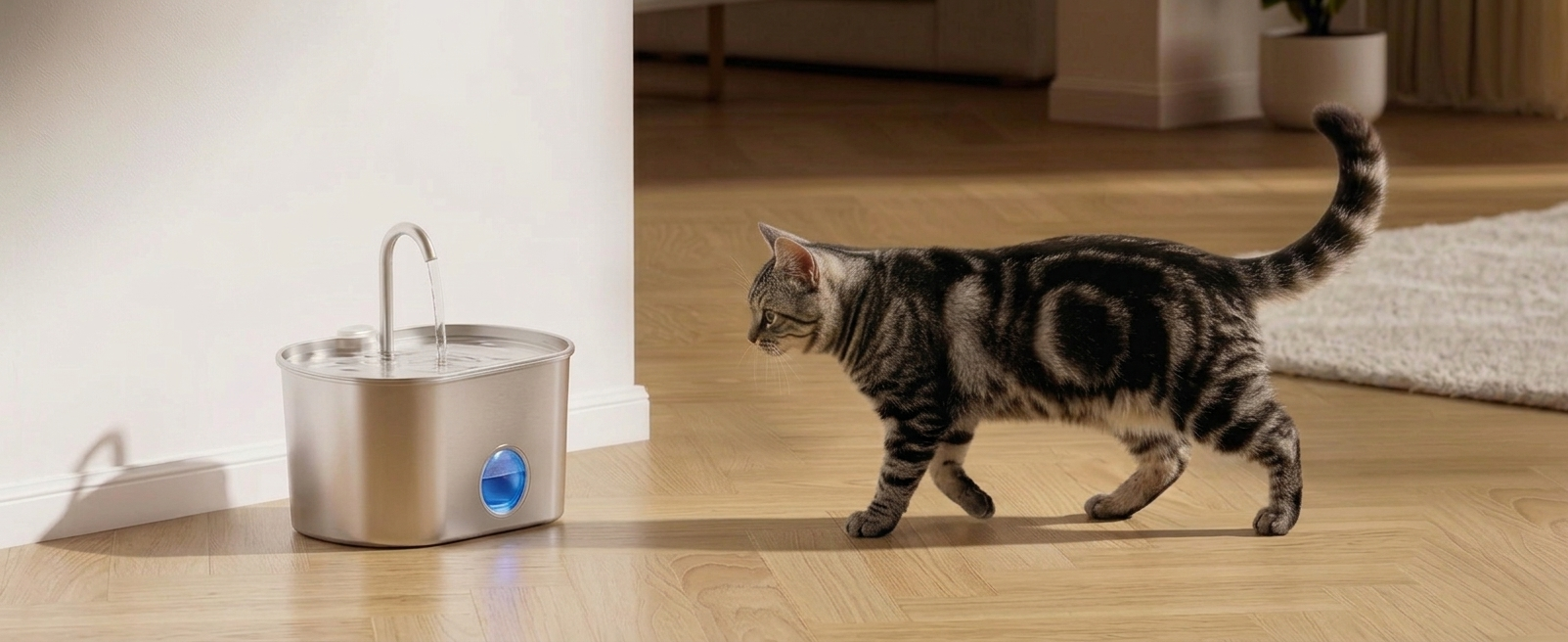
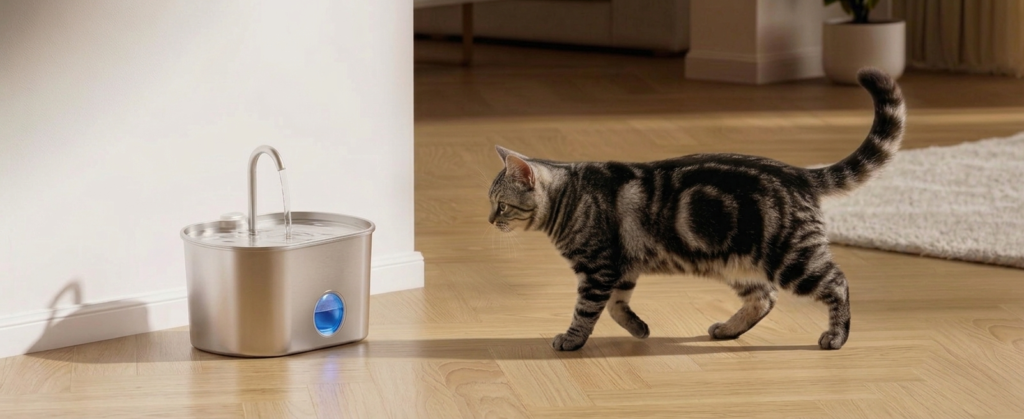
Cat Water Fountain Stainless Steel: Benefits, Buying Guide & Care Tips
Disclosure : We may earn money from the companies mentioned in this post, but we only recommend brand that we truly love and trust
Keeping your cat properly hydrated is an important part of responsible pet care. While some cats are happy drinking from a traditional bowl, others may be more interested in moving or flowing water. This is one reason a Cat Water Fountain Stainless Steel has become a popular choice among cat owners. If you’re looking for more useful products for your feline companion, explore our pet product articles and find helpful recommendations for your pets.
A stainless steel fountain combines circulating water with a durable drinking surface that is easy to maintain. But is stainless steel better than plastic? What features should you look for, and how do you keep a fountain clean?
In this guide, we’ll cover the main benefits, features, maintenance tips, and things to consider before buying a Cat Water Fountain Stainless Steel.
What Is a Cat Water Fountain Stainless Steel?
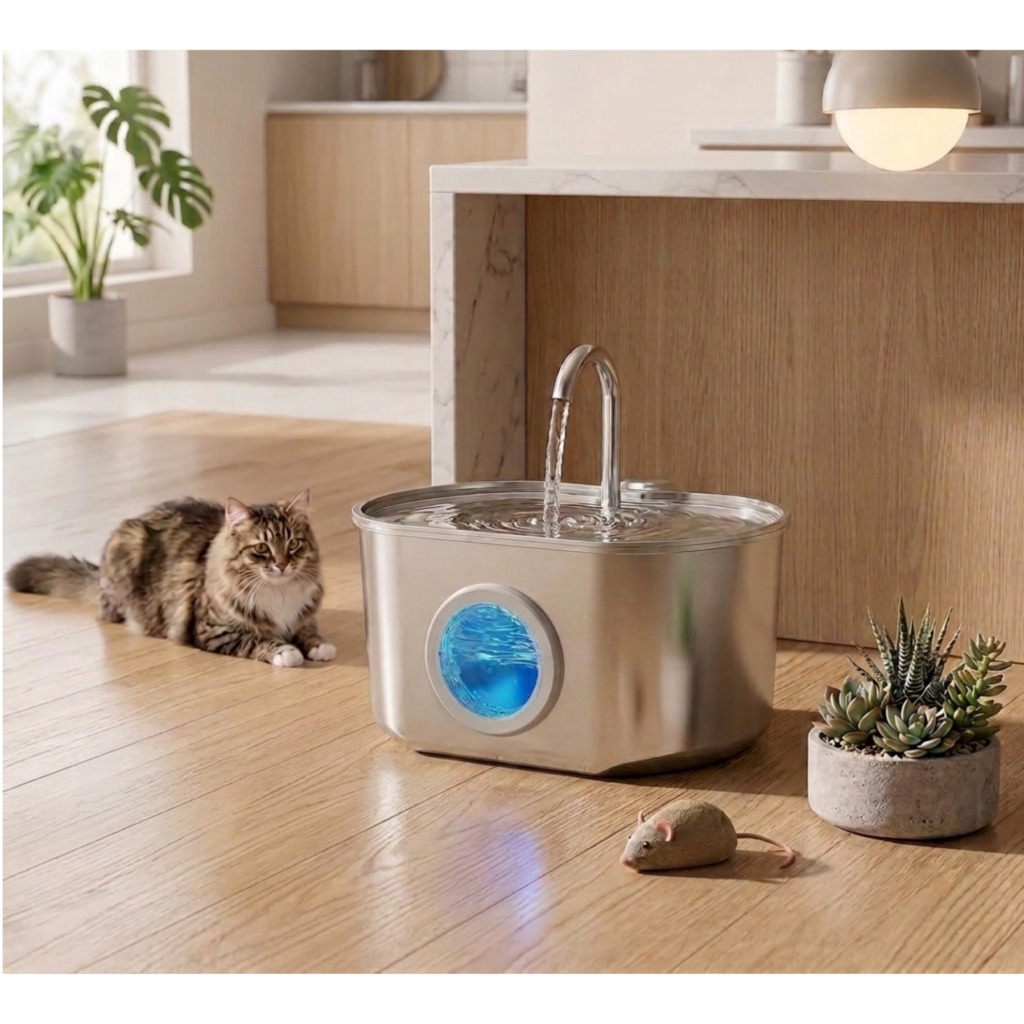
A Cat Water Fountain Stainless Steel is an automatic drinking fountain that continuously circulates water. Instead of drinking from completely still water, your cat can drink from a flowing water source.
Most fountains include:
- A stainless steel drinking bowl
- A water reservoir
- An electric or USB-powered pump
- A filtration system
- A water outlet
- Replaceable filters
The exact design varies between models, but the purpose is the same: provide your cat with convenient access to circulating drinking water.
Some cats naturally show interest in running water, so a fountain can be an appealing alternative to a traditional bowl.
Benefits of a Cat Water Fountain Stainless Steel
1. Durable Material
One of the main reasons owners choose a Cat Water Fountain Stainless Steel is durability. Stainless steel is a strong material designed to handle regular daily use.
Compared with some plastic surfaces, stainless steel is generally less likely to develop scratches through normal handling. This makes it a practical choice for a product your cat may use every day.
2. Easy to Clean
Cat bowls and fountains can collect hair, dust, saliva, food particles, and other debris. Regular cleaning is therefore essential.
A smooth stainless steel surface is generally easy to wash, making it convenient for owners who want a simple maintenance routine.
3. Alternative to Plastic
Stainless steel is a popular alternative to plastic for pet drinking products. Some cat owners prefer it because of its durability and easy-to-clean surface.
However, every cat has different preferences. While some cats may enjoy drinking from stainless steel, others may prefer ceramic or another type of bowl.
4. Moving Water
The circulating water is another important feature. Some cats are naturally attracted to running water, which can make a fountain more interesting than a traditional bowl.
A Cat Water Fountain Stainless Steel can therefore be worth considering if your cat enjoys drinking from faucets or other moving water sources.
Stainless Steel vs. Plastic
When choosing a cat fountain, material is an important consideration.
| Feature | Stainless Steel | Plastic |
|---|---|---|
| Durability | Excellent | Good |
| Cleaning | Easy | Easy |
| Scratch resistance | Generally better | Can scratch more easily |
| Weight | Usually heavier | Usually lighter |
| Appearance | Modern | Many styles available |
| Long-term use | Excellent | Depends on quality |
Neither material is perfect for every household. However, if you prioritize durability and easy maintenance, stainless steel is a strong option.
What to Look for When Buying a Cat Water Fountain
Not all fountains are designed the same way. Before buying a Cat Water Fountain Stainless Steel, consider these important features.
Water Capacity
Check the size of the water reservoir. A larger capacity means you may not need to refill the fountain as frequently.
However, a large reservoir does not mean you can ignore it for long periods. Water should still be checked regularly and replaced when necessary.
Filtration
Many fountains include filters designed to remove particles from circulating water. Some use activated carbon or other filter materials.
Remember that filtration does not replace cleaning. Filters also need to be replaced according to the manufacturer’s recommendations.
Quiet Pump
A noisy pump can be irritating and may make some cats hesitant to approach the fountain.
When comparing models, check the manufacturer’s noise specifications and read customer feedback. A quiet fountain can be especially useful in bedrooms, living rooms, and other quiet areas.
Easy Cleaning
Choose a fountain that can be easily disassembled. You should be able to clean the bowl, reservoir, pump, water outlet, and filter compartment without too much difficulty.
An easy-to-clean Cat Water Fountain Stainless Steel is more convenient for long-term use.
Replacement Filters
Before purchasing, check whether replacement filters are readily available and affordable.
A fountain may seem inexpensive initially, but difficult-to-find or expensive filters can increase its long-term cost.
Stable Design
The fountain should have a stable base that does not easily move or tip when your cat drinks.
This is particularly important for energetic cats or homes with multiple pets.
How Does a Cat Water Fountain Work?
Most automatic cat fountains work using a simple circulation system.
Step 1: Water is added to the reservoir.
Step 2: A pump moves the water upward.
Step 3: The water passes through the filter.
Step 4: Filtered water reaches the drinking area.
Step 5: The water returns to the reservoir.
The process continues while the fountain is operating, creating a constantly moving water source.
Does a Cat Water Fountain Encourage Cats to Drink?
A fountain may encourage some cats to drink more, but every cat is different.
Some cats are naturally attracted to running water, while others prefer drinking from a regular bowl. Your cat’s preferences should therefore be considered when deciding whether to buy a fountain.
A Cat Water Fountain Stainless Steel should not be considered a guaranteed solution for hydration problems.
If your cat suddenly drinks significantly more or less water than usual, consult your veterinarian.
How to Clean a Cat Water Fountain
Regular maintenance is one of the most important parts of owning a fountain.
Start by checking the water level and removing visible hair or debris. Clean the drinking bowl and reservoir regularly according to the manufacturer’s instructions.
During deeper cleaning, pay attention to the pump and water outlet because dirt and buildup can collect in these areas.
If the fountain uses replaceable filters, change them according to the manufacturer’s recommended schedule.
Even though stainless steel is easy to clean, a Cat Water Fountain Stainless Steel still requires regular maintenance.
How to Introduce Your Cat to a Water Fountain
Some cats will immediately investigate a new fountain, while others may be cautious.
Don’t force your cat to use it. Instead, place the fountain in a quiet area and allow your cat to explore it naturally.
You can also:
- Keep the traditional water bowl available at first
- Place the fountain away from the litter box
- Avoid noisy locations
- Make sure the pump is not excessively loud
- Give your cat time to become familiar with it
A gradual transition can make it easier for a cat to accept a new drinking setup.
Recommended Cat Water Fountain Stainless Steel
If you’re ready to try a stainless steel fountain, look for a model that offers the features that matter most to you, such as durable construction, filtration, quiet operation, suitable capacity, and easy cleaning.
You can check our recommended Cat Water Fountain Stainless Steel on Amazon here:

- Water Level Window & Stainless Steel: Our new design features a water level window, allowing you to effortlessly keep an…
- Quadruple Filtration System: Cat water fountain boasts a state-of-the-art quadruple filtration system, including an acti…
- 73 oz/2.2 L Capacity & Travel Convenience: With a generous capacity of 73 oz/2.2 L, stainless steel cat water fountain c…
Affiliate Disclosure: This article contains affiliate links. If you purchase a product through one of our links, we may earn a commission at no additional cost to you.
Before purchasing, always check the current price, specifications, customer reviews, and availability on Amazon.
Pros and Cons
Pros
- Durable stainless steel construction
- Easy to clean
- Moving water can appeal to some cats
- Many models include filtration
- Modern appearance
- Suitable for everyday use
Cons
- Can cost more than basic plastic bowls
- Requires a power source
- Filters need regular replacement
- Pumps require cleaning
- Some cats may prefer traditional bowls
- Stainless steel models can be heavier
Is a Cat Water Fountain Stainless Steel Worth It?
For many cat owners, a Cat Water Fountain Stainless Steel can be a practical alternative to a traditional water bowl.
Its main advantages are the combination of circulating water and a durable, easy-to-clean drinking surface. It can be particularly appealing for cats that show interest in running water.
However, choosing the right fountain is only part of the process. Regular cleaning, fresh water, filter replacement, and pump maintenance are essential.
If you’re looking for a durable alternative to a plastic water bowl, a Cat Water Fountain Stainless Steel is certainly worth considering.
FAQ’s
Are stainless steel water fountains good for cats?
Stainless steel is durable and relatively easy to clean, making it a popular material for cat fountains. However, your cat’s individual preferences should also be considered.
Do cats prefer water fountains?
Some cats are attracted to running water, while others prefer traditional bowls. A fountain can be worth trying if your cat shows interest in faucets or moving water.
How often should I change the water?
Check the water regularly and replace it when it becomes dirty or the level becomes too low. Always follow the manufacturer’s recommendations.
Are stainless steel cat fountains easy to clean?
Yes. Stainless steel is generally easy to wash, but you should also clean the reservoir, pump, filter area, and other components regularly.
Do cat fountains need filters?
Many models use filters to help remove particles from circulating water. If your fountain has replaceable filters, follow the manufacturer’s replacement instructions.
Conclusion
A Cat Water Fountain Stainless Steel can be a convenient and durable solution for cat owners looking for an alternative to traditional water bowls.
When choosing one, focus on the features that matter most: stainless steel construction, easy cleaning, quiet operation, suitable capacity, reliable filtration, and affordable replacement filters.
Most importantly, remember that a fountain does not replace regular cleaning or fresh water. With proper maintenance, however, it can be a useful addition to your cat’s daily routine.
Check the recommended Cat Water Fountain Stainless Steel on Amazon